

Monaco Property at Below-Market Prices
UNDERSTANDING LAW NO. 1235
Monaco is consistently ranked among the most expensive real estate markets in the world. In 2025, the average residential price exceeded €57,000 per square metre, while transactions in certain prime buildings have surpassed €90,000 per square metre.
Within this environment of limited supply and sustained global demand, most buyers assume that entry into the Monaco property market requires a significant capital commitment. However, there exists a category of apartments that can trade meaningfully below prevailing market prices. These properties fall under Law No. 1235, a piece of legislation that regulates certain older residential buildings in the Principality. For buyers intending to live in Monaco, these properties can represent one of the most accessible entry points into the local market.
MONACO PROPERTY PRICES IN CONTEXT
To understand the significance of Law 1235 properties, it is useful to look at the broader structure of Monaco’s housing market. According to the latest Real Estate Observatory published by IMSEE, average residential prices in Monaco in 2025 ranged between approximately €52,000 and €57,569 per square metre, depending on property type and district. At those levels, a relatively modest 56 m² apartment at average market value would typically fall between €2.9 million and €3.2 million.
Certain districts command considerably higher values. Prime properties in Larvotto and Mareterra, for example, have exceeded €97,000 per square metre in recent transactions. This pricing dynamic is largely explained by Monaco’s structural constraints. The Principality covers just over two square kilometres of land, planning regulations are strict, and opportunities for new construction remain limited. Combined with sustained international demand, this scarcity has supported a long-term upward trajectory in property values.
WHAT IS LAW NO. 1235?
Law No. 1235, enacted on 28 December 2000 and later amended by Law No. 1291 in 2004, forms part of Monaco’s protected housing framework. The purpose of this legislation is to preserve a stock of housing that remains accessible to Monegasque nationals and residents with established ties to the Principality. The law applies primarily to residential buildings constructed before 1 September 1947 that have not been assigned to a different residential regime after 25 June 1970, subject to certain exceptions. A number of Monaco’s older residential buildings fall within this framework.
WHAT THE LAW MEANS FOR PROPERTY OWNERS
Ownership of a property governed by Law 1235 involves several regulatory conditions. Most notably, rental levels are controlled by Monaco’s Housing Department rather than freely determined by the market. Annual rent increases are limited and cannot be negotiated directly between landlord and tenant.
If the owner does not occupy the apartment personally, the property must be rented. It cannot be kept vacant. When a property becomes available to rent, tenants must be selected through a priority allocation system administered by the state. This system prioritises Monegasque nationals, individuals with established residence in Monaco, and people working in the Principality.
Leases typically run for a minimum duration of six years. Tenants may give three months’ notice to vacate, while landlords may only terminate the lease in order to occupy the property themselves or to house close family members. Finally, when a property is sold, the Monaco State holds a right of first refusal. Before completing a transaction with a private buyer, the property must be formally offered to the State at the agreed sale price. In practice, the State rarely exercises this right, but the procedure remains a required step in the sale process.
WHY LAW 1235 PROPERTIES TRADE BELOW MARKET VALUE
These regulatory conditions have an important effect on pricing. For investors purchasing in Monaco primarily for rental income, the inability to freely set market rents significantly reduces the attractiveness of these properties. Controlled rents are generally well below what a comparable apartment would command on the open market.
As a result, the pool of potential buyers is smaller. Investor demand is lower, and the pricing dynamics differ from the free-market segment. For a buyer intending to live in the property, the regulatory framework may have little practical impact while allowing entry into the market at a materially lower price per square metre.
WHO THESE PROPERTIES ARE TYPICALLY SUITED TO
Properties governed by Law 1235 tend to appeal to buyers whose objective is personal use rather than rental income. This may include individuals relocating to Monaco who prefer to purchase rather than rent, couples seeking a well-located apartment in an established neighbourhood, or buyers who intend to hold a property long term as part of their residential plans.
Many of these buildings are located in central districts such as Moneghetti, La Condamine, and parts of Monte-Carlo, where daily amenities, transport links and the harbour are easily accessible. For buyers focused on establishing a residence in the Principality rather than generating rental yield, the discounted entry price can make this category of property particularly attractive.
WHAT ARE THE DIFFERENCES BETWEEN LAW 1235, 1291, AND 887 IN MONACO REAL ESTATE?
If you are browsing listings in Monaco, it is common to come across references to Laws 1235, 1291 or 887 without clear explanation, which can make direct comparisons difficult. Law No. 1235 primarily applies to older buildings constructed before 1 September 1947, with Law No. 1291 (2004) refining and updating its application. Law No. 887, introduced earlier in 1970, typically applies to a different segment of buildings from a later period and is often seen as somewhat less restrictive in practice. While all three fall within the same broader category of regulated properties, the level of rental control and flexibility can vary depending on which law applies. Our brokers specialise in the Monaco market and guide clients through these distinctions and other nuances of the market.
REGULATED APARTMENTS FOR SALE
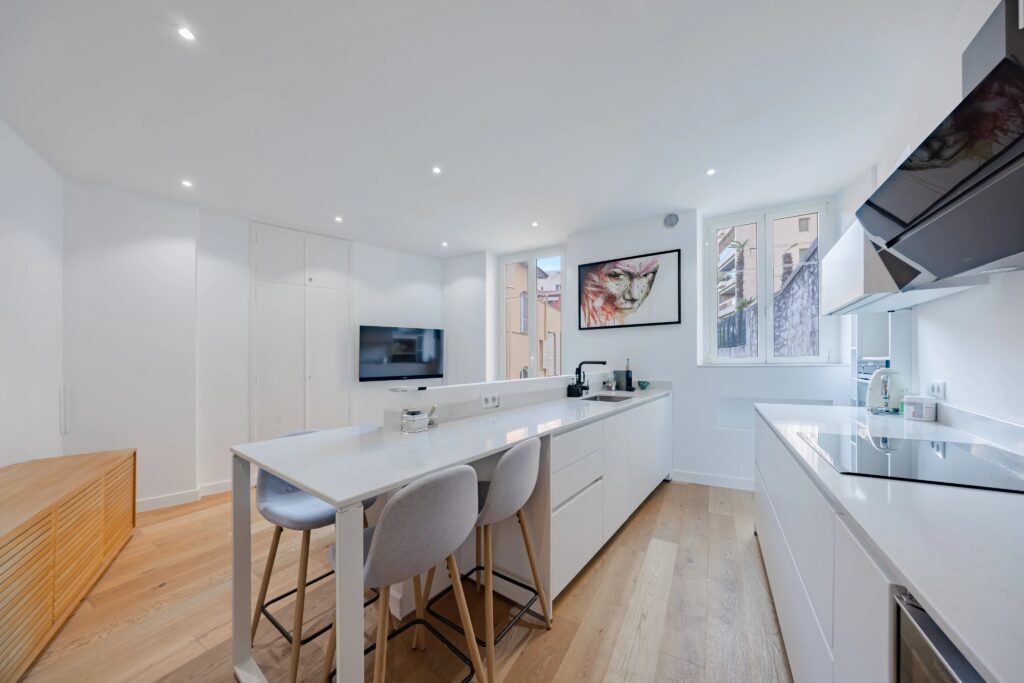

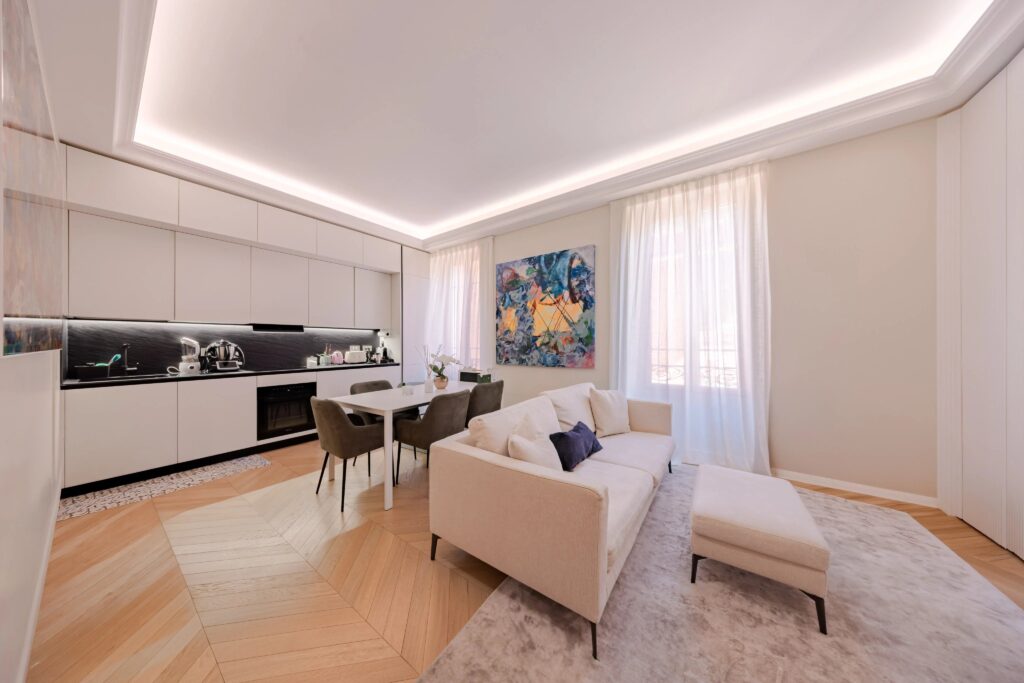
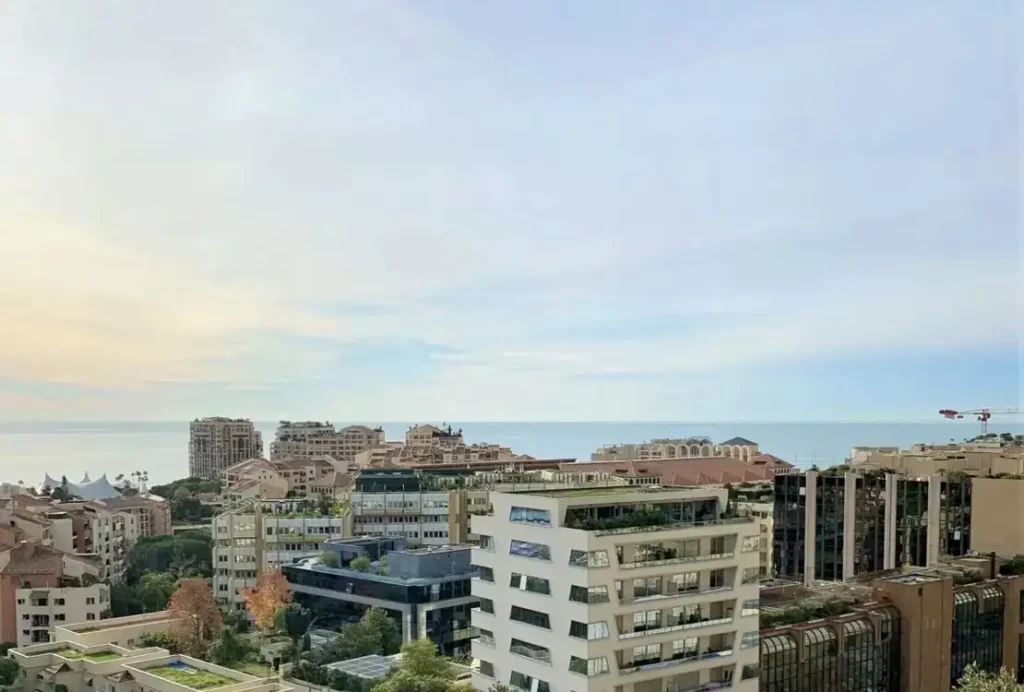
SPEAK TO OUR BROKERS
Expert guidance for your Monaco property acquisition
FREQUENTLY ASKED QUESTIONS
How common are Law 1235 apartments in Monaco today?
They represent only a relatively small portion of Monaco’s overall housing stock. Because the law applies primarily to buildings constructed before 1947, the number of properties falling within this regime is naturally limited compared with the broader free-market segment of the Principality’s real estate.
Can foreigners buy properties governed by Law 1235?
Yes. There are no nationality restrictions on purchasing property in Monaco, including apartments governed by Law 1.235. International buyers may acquire these properties in the same way as any other Monaco real estate. The regulatory framework applies to the property itself rather than to the nationality of the owner.
Does the legal regime affect the inheritance of the property?
No. A property governed by Law 1235 can be transmitted through inheritance in the same way as other real estate in Monaco. The legal framework continues to apply to the property itself regardless of the change in ownership.